


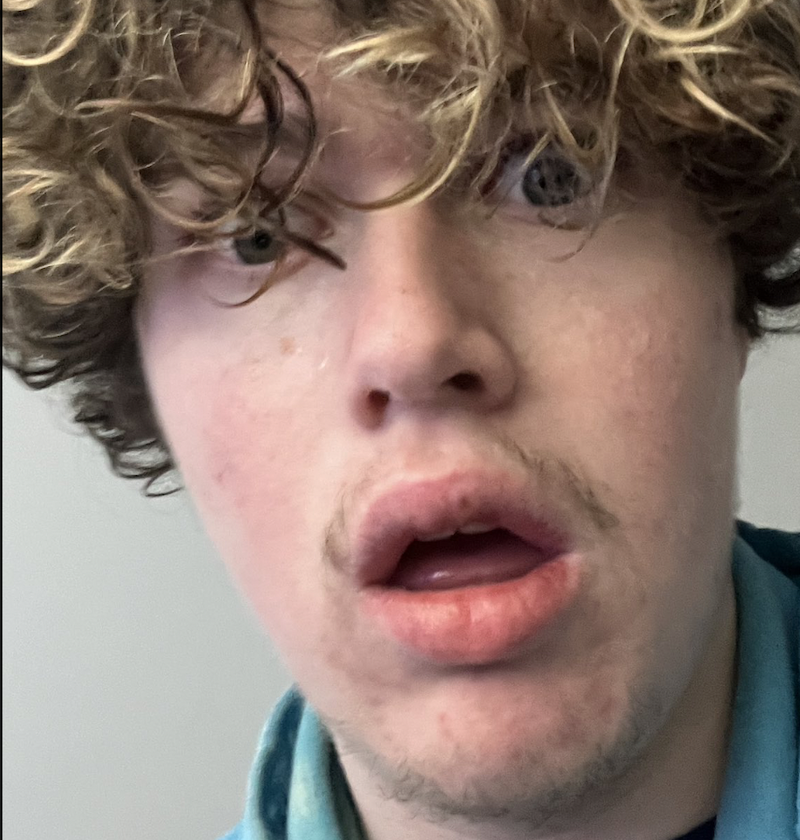
In a dramatic turn of events that captivated and horrified viewers alike, YouTuber and streamer Norme’s audacious attempt to break the world record for consecutive hours without sleep was abruptly halted by both YouTube and Kick.After enduring a grueling 250+ hours without rest, the platforms intervened, citing concerns for Norme’s health and well-being.
A Perilous Pursuit
Norme’s endeavor was a high-stakes gamble with his physical and mental health. As the hours ticked by, viewers watched with a mixture of fascination and alarm as Norme exhibited increasingly erratic behavior, hallucinations, and lapses in cognitive function. The dangers of prolonged sleep deprivation are well-documented, including impaired judgment,increased risk of accidents, and even psychosis.
Despite mounting public concern and criticism, Norme pressed on, driven by a desire for attention and a potential world record. The stream garnered a significant following, with viewers tuning in to witness the physical and mental toll the challenge was taking on the streamer.
Platform Intervention
Under immense pressure from viewers and health experts, both YouTube and Kick took decisive action to end the stream.YouTube removed Norme’s content, citing violations of community guidelines, while Kick, where Norme had migrated after the YouTube ban, also terminated his stream.
The platforms’ decisions were met with a wave of support, with many praising their prioritization of user safety. However,some critics argued that the platforms should have intervened sooner, as the risks to Norme’s health were evident from the outset.
The Aftermath
The abrupt end to Norme’s stream has sparked a broader conversation about the responsibilities of platforms and content creators. The incident highlights the potential dangers of live streaming for both creators and viewers, and raises questions about the measures that should be in place to protect the well-being of those involved.
While Norme’s attempt to break the world record for consecutive hours without sleep ultimately failed, the incident serves as a stark reminder of the importance of prioritizing physical and mental health. It also underscores the need for platforms to implement robust guidelines and safeguards to prevent similar events from occurring in the future.
In the aftermath of this high-profile case, it is hoped that the gaming and streaming community will come together to create a safer and more responsible environment for creators and viewers alike.
