


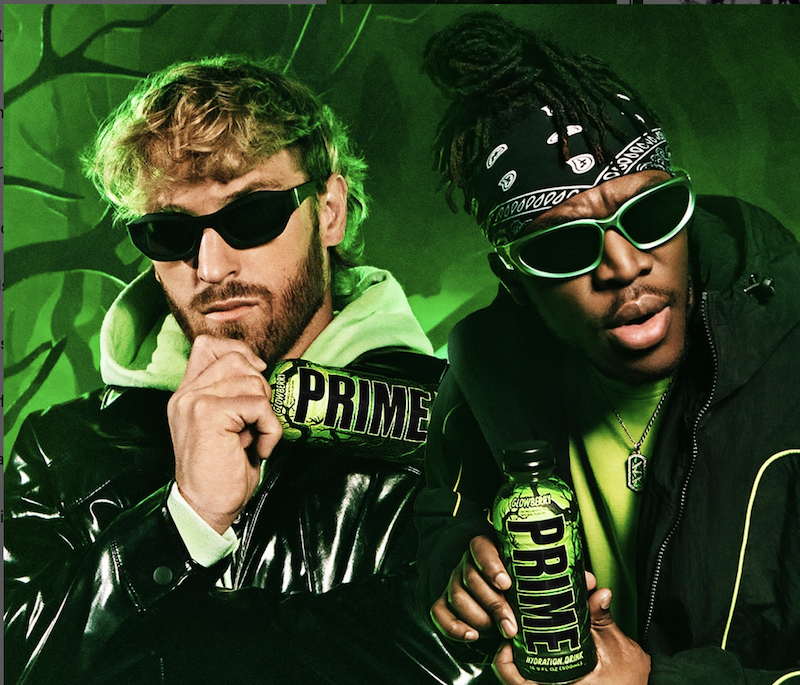
In a recent development that has captured the attention of the sports and beverage industries, Prime Hydration, the popular drink brand co-owned by YouTube sensations Logan Paul and KSI, is facing a trademark infringement lawsuit filed by NASCAR driver Erik Jones. The suit alleges that Prime’s branding infringes upon Jones’ existing trademark.
The Core of the Dispute
The crux of the lawsuit revolves around the similarity between Prime Hydration’s branding and Erik Jones’ personal logo. Both feature a distinctive “lightning bolt” design, a key element in the visual identity of each brand. Jones argues that Prime’s use of this similar design is likely to confuse consumers and dilute the value of his trademark.
Legal Precedents and Trademark Law
Trademark law is designed to protect businesses and individuals from having their intellectual property misused.
To establish trademark infringement, a plaintiff typically needs to demonstrate that:
- The mark is valid and owned by the plaintiff.
- The defendant has used the mark in commerce.
- The defendant’s use is likely to cause confusion among consumers.
In this case, Jones must prove that his lightning bolt logo is a valid trademark, that Prime Hydration has used a similar design, and that this similarity is likely to mislead consumers into believing that Prime is associated with or endorsed by Jones.
Potential Implications for Prime Hydration
If found guilty of trademark infringement, Prime Hydration could face significant consequences. These could include:
- Monetary damages: Jones could be awarded financial compensation for the harm caused to his brand.
- Injunction: The court could order Prime Hydration to cease using the infringing design.
- Attorney’s fees: The losing party typically pays the legal costs of the winning party.
A negative outcome in this lawsuit could also damage Prime Hydration’s reputation and potentially impact consumer trust.
The lawsuit has sparked discussions about the importance of trademark protection in the competitive world of branding. It highlights the challenges faced by companies when developing visual identities and the potential legal risks associated with design similarities.
The outcome of this case could set a precedent for future trademark disputes, particularly in the sports and entertainment industries where brand identity is paramount. It may also lead to increased scrutiny of brand designs to avoid potential legal conflicts.
As the case progresses, the sports and beverage worlds will be watching closely to see how the legal battle unfolds and what implications it may have for the broader industry.
