


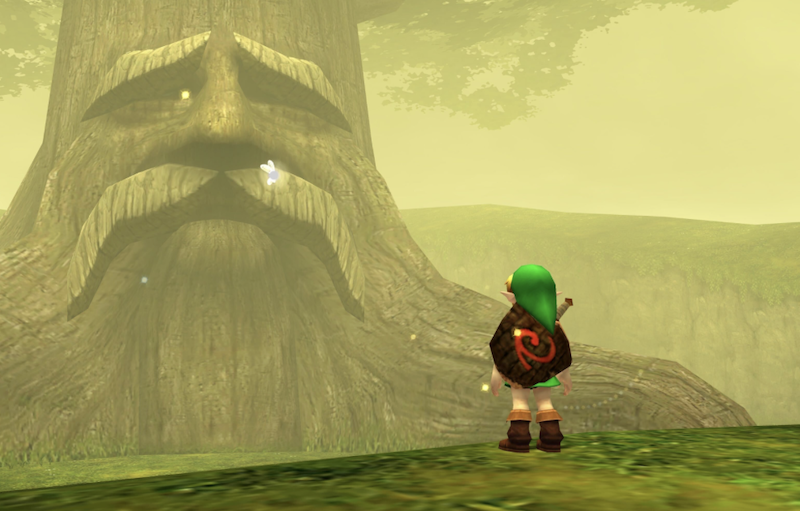
The “Legend of Zelda” series, developed by Nintendo, is one of the most acclaimed and beloved franchises in the history of video games. Since its inception in 1986, it has captivated players with its rich storytelling, immersive worlds, and innovative gameplay. Ranking the best Zelda games is no easy task, given the high quality and diversity of the entries in the series. Here is an in-depth look at the best Zelda games, ranked from great to greatest.
10. The Legend of Zelda: Link’s Awakening (1993/2019)
Originally released for the Game Boy, “Link’s Awakening” was a bold departure from previous games, with a story set outside of Hyrule and devoid of Princess Zelda. The 2019 remake for the Nintendo Switch modernized the graphics and controls while maintaining the quirky charm and intricate dungeon design of the original. Its dream-like world and memorable characters make it a standout entry.
9. The Legend of Zelda: A Link Between Worlds (2013)
A spiritual successor to “A Link to the Past,” this 3DS title introduced innovative mechanics like wall merging, which allowed Link to become a 2D drawing to solve puzzles and explore new areas. This mechanic, combined with an open-ended structure that let players tackle dungeons in any order, revitalized the top-down Zelda formula.
8. The Legend of Zelda: Twilight Princess (2006)
Twilight Princess is noted for its darker tone and more realistic graphics compared to other entries. Released on both the GameCube and Wii, it featured an expansive world and introduced the wolf transformation mechanic, adding variety to the gameplay. The story, which explores themes of light versus darkness, is complemented by a memorable companion character, Midna.
7. The Legend of Zelda: Majora’s Mask (2000)
Following the groundbreaking success of “Ocarina of Time,” Majora’s Mask took a risk with its unique premise: a three-day cycle in which Link must save the world of Termina from impending doom. The game’s time mechanics and emphasis on side quests and character interactions create a deeply immersive and often eerie experience. Its mature themes and innovative structure have earned it a dedicated following.
6. The Legend of Zelda: Wind Waker (2002)
Initially controversial for its cel-shaded graphics, Wind Waker has aged beautifully, offering a timeless visual style. Its oceanic exploration, with sailing as a primary mode of travel, provides a sense of adventure and freedom. The game’s engaging story, charming characters, and expansive world make it a beloved classic.
5. The Legend of Zelda: Skyward Sword (2011)
Skyward Sword is known for its motion controls, which were a point of contention among players but added a unique layer of immersion. Its narrative, which serves as a prequel to the entire series, is among the most detailed and emotional. The game’s vibrant art style and innovative dungeon designs make it a memorable entry, particularly with the HD remaster addressing many of the original’s issues.
4. The Legend of Zelda: A Link to the Past (1991)
This Super Nintendo classic set the standard for top-down Zelda games with its perfect blend of exploration, puzzle-solving, and combat. It introduced the concept of two parallel worlds, Light and Dark, a mechanic that would be revisited in later games. The game’s influence is still felt today, and its tight gameplay and design make it a timeless masterpiece.
3. The Legend of Zelda: Ocarina of Time (1998)
Often regarded as one of the greatest games of all time, Ocarina of Time was a monumental leap for the series, transitioning to 3D graphics on the Nintendo 64. Its innovative targeting system, sprawling world, and epic story set a new standard for adventure games. The game’s impact on the industry is immeasurable, and it remains a touchstone for game design.
2. The Legend of Zelda: Breath of the Wild (2017)
Breath of the Wild redefined open-world gaming with its emphasis on player freedom and exploration. The game’s vast, beautifully rendered world encourages curiosity and experimentation, with numerous ways to approach challenges. Its physics-based interactions and survival elements add depth and complexity, creating an experience that feels both epic and personal.
1. The Legend of Zelda: The Legend of Zelda: Tears of the Kingdom (2023)
Building on the foundations of Breath of the Wild, Tears of the Kingdom enhances and expands the open-world formula. It introduces new mechanics, such as the ability to build and customize structures, adding another layer of creativity to the gameplay. The story, characters, and world-building are more intricate, offering an even richer experience. This game exemplifies the pinnacle of what the Zelda series can achieve, combining innovation with the series’ timeless appeal.
Honorable Mentions
- The Legend of Zelda: Oracle of Ages/Seasons (2001): These interconnected Game Boy Color games offered unique gameplay experiences and linked secrets, showcasing the series’ capacity for innovation.
- The Legend of Zelda: Phantom Hourglass (2007): A direct sequel to Wind Waker, this DS title utilized touch screen controls in creative ways, though it was divisive among fans.
Conclusion
The Legend of Zelda series continues to evolve, pushing the boundaries of what action-adventure games can be. Each game in the series has contributed something unique, making it difficult to definitively rank them. However, the titles listed above represent the pinnacle of the series’ innovation, storytelling, and gameplay, cementing their places in gaming history. Whether you’re a longtime fan or a newcomer, these games offer experiences that are truly legendary.
